ONE-DAY SEMINAR – “ACADEMIA–INDUSTRY CONVERGENCE: SHAPING A WORKFORCE FOR THE FUTURE”
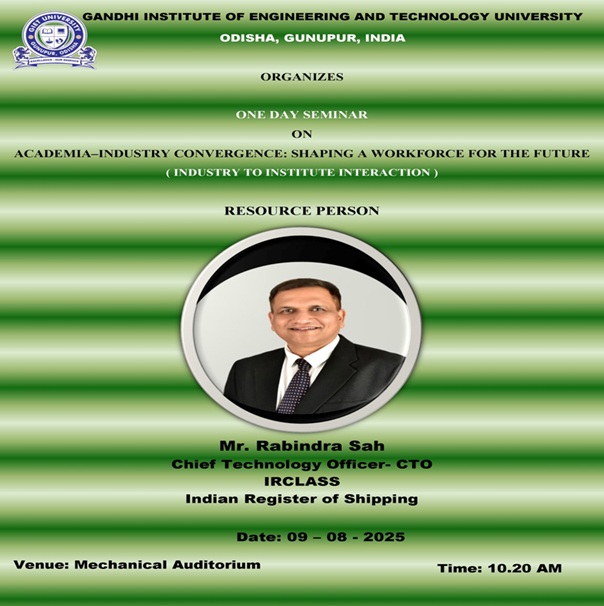
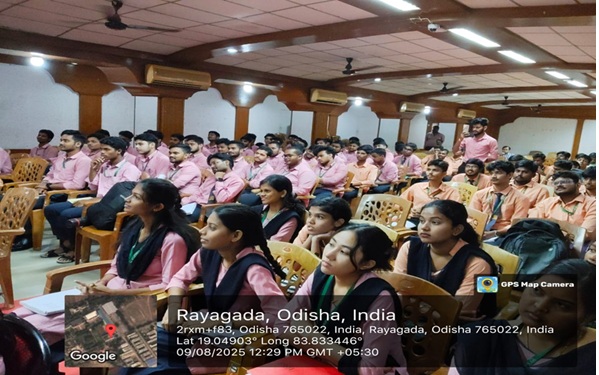
On 9th August 2025, Gandhi Institute of Engineering and Technology University (GIET University) successfully organized a one-day seminar on “Academia–Industry Convergence: Shaping a Workforce for the Future” as part of its Industry–Institute Interaction initiative. The event, held from 10:20 AM to 1:00 PM at the Mechanical Engineering Auditorium, was specially addressed to the 2nd and 3rd year students of Mechanical Engineering, Civil Engineering, Electrical Engineering (EE), Electrical and Electronics Engineering (EEE), and Computer Science and Engineering (CSE). The distinguished resource person for the seminar was Mr. Rabindra Sah, Chief Technological Officer (CTO) of the Indian Register of Shipping, who brought with him decades of industry experience, including a notable tenure at Tata Motors where he played a pivotal role in vehicle design, automation systems, and Industry 4.0 integration.
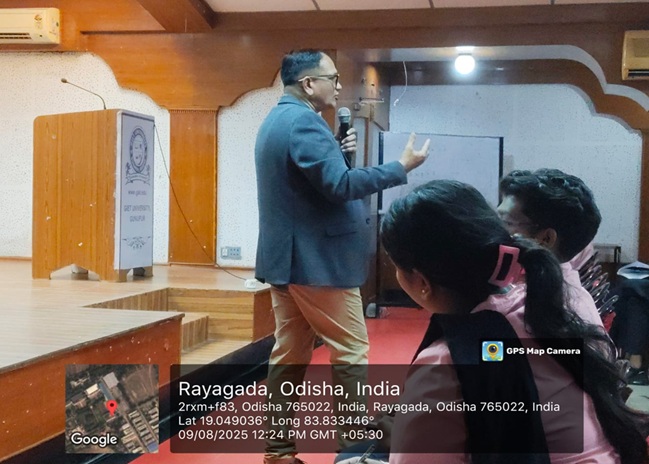
In his engaging address, Mr. Sah emphasized the importance of time management for academic and career growth, urging students to balance academic learning with co-curricular activities, skill development, and hands-on practice. He stressed that today’s industry demands multidisciplinary proficiency, where engineers must combine their core technical expertise with knowledge of emerging technologies. Highlighting the necessity of practical exposure, he encouraged students to actively participate in workshops, projects, and collaborative learning environments to develop a well-rounded skill set aligned with industrial expectations.
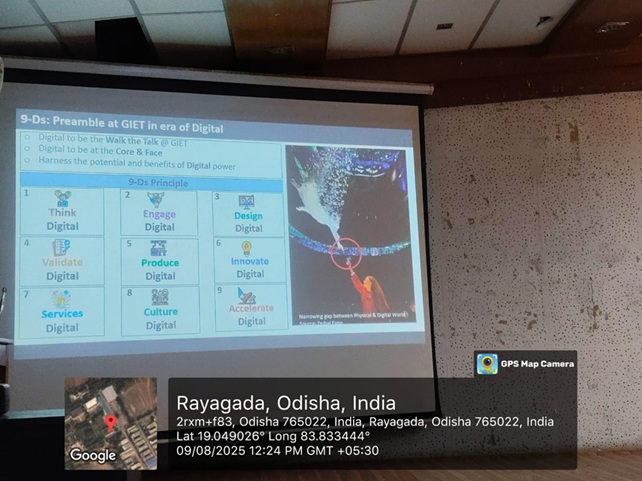
Mr. Sah also delved into the impact of cutting-edge technology adoption on shaping an industry-ready workforce. Drawing from his rich professional journey, he discussed essential sub-skills required in areas such as smart manufacturing, automation, and digital transformation. He pointed out that technological change is constant, and students must cultivate adaptability, problem-solving agility, and a mindset geared toward lifelong learning. This, he explained, would ensure that they remain competitive and relevant in a rapidly evolving global market.
A major highlight of his talk was the integration of industrial internships and live projects into the academic journey. Mr. Sah asserted that real-world exposure through industrial training not only enhances technical competence but also fosters creativity and innovation. He proposed that academic institutions and industries work hand-in-hand to design projects that solve authentic industrial problems. In an encouraging gesture, he offered to guide interested students by providing small yet impactful projects, giving them an opportunity to apply their learning in solving real challenges.
The seminar concluded with an interactive Q&A session, where students from various disciplines sought advice on topics ranging from Industry 4.0 implementation to enhancing employability skills. The event successfully bridged the gap between academia and industry, inspiring students to take proactive steps toward professional readiness. By hosting such initiatives, GIET University reaffirmed its commitment to nurturing future-ready graduates equipped with technical expertise, multidisciplinary understanding, and the adaptability required for success in the modern industrial ecosystem.