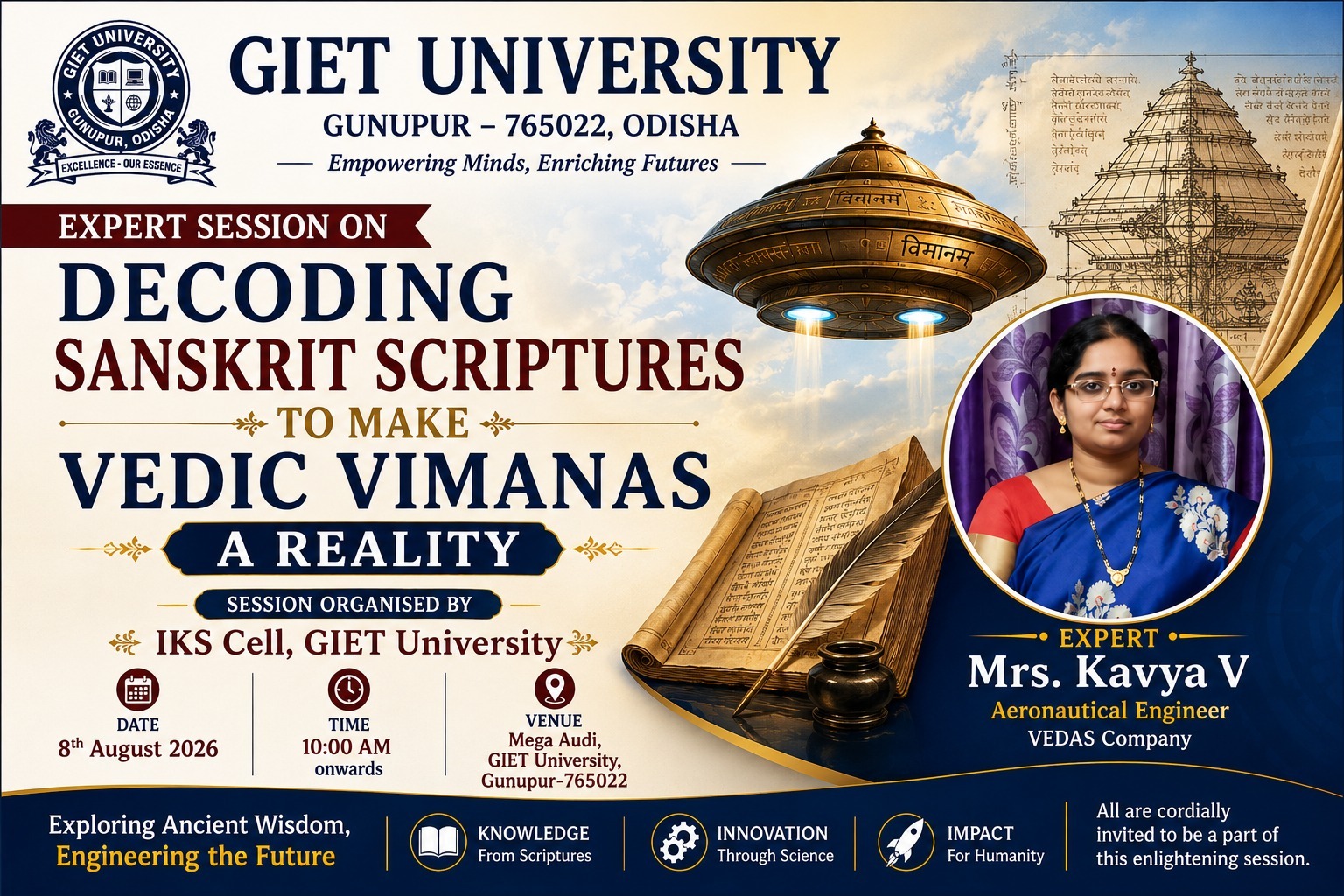
Expert Session on Decoding Sanskrit Scriptures to Make Vedic Vimanas a Reality
Organized by
Indian Knowledge System Cell
GIET University, Gunupur-765022
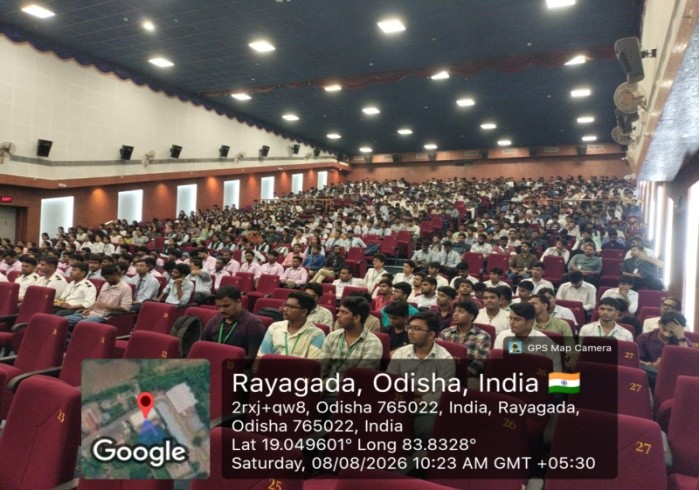
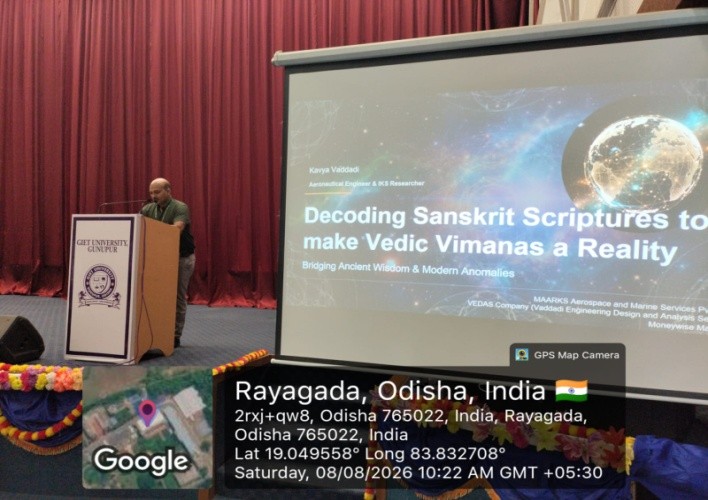
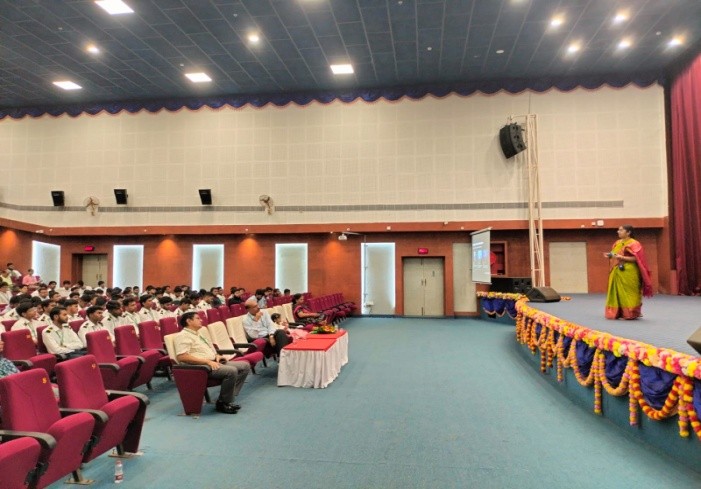
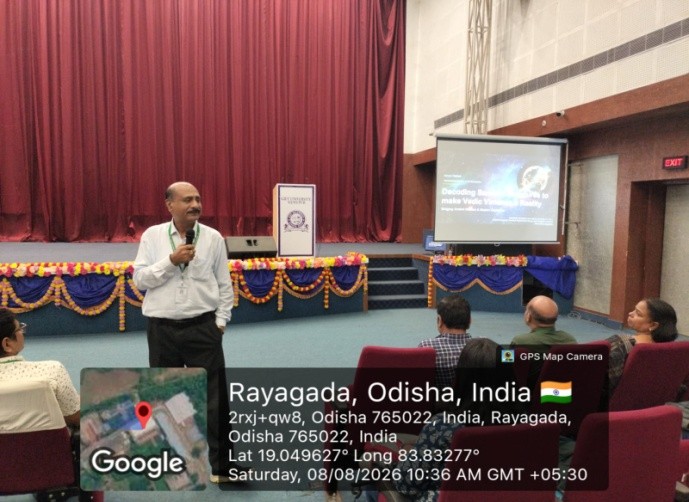
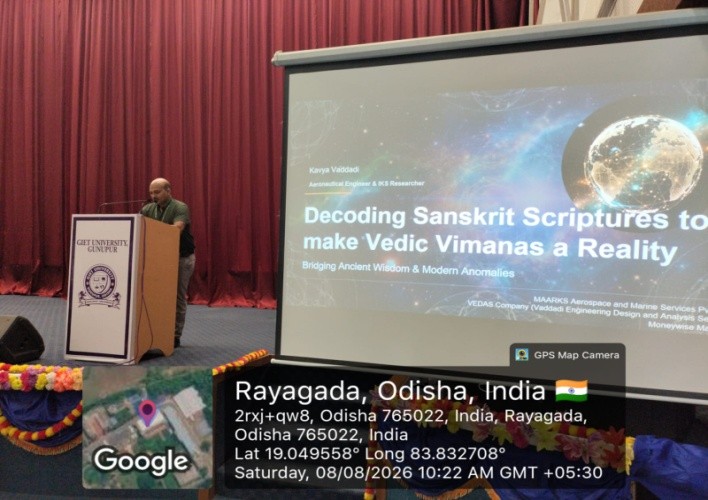
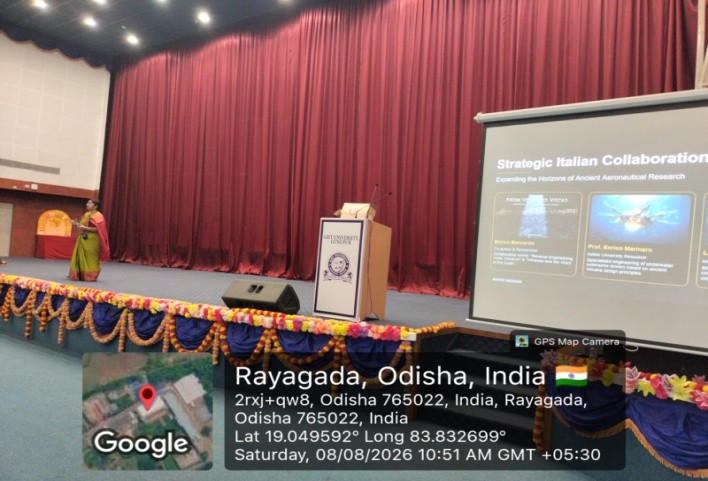
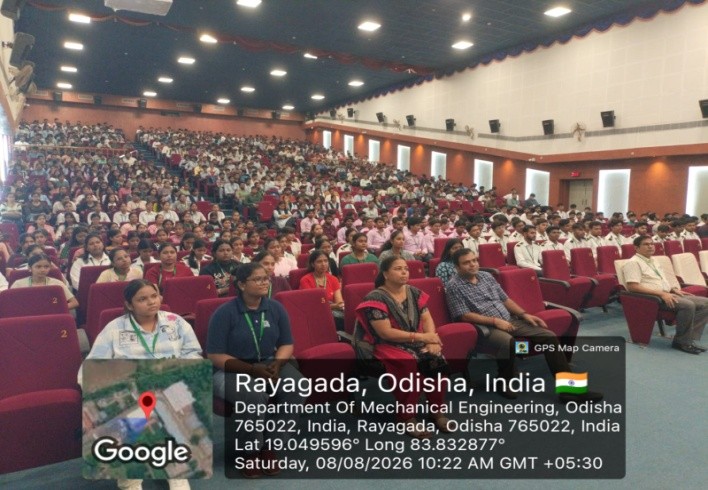
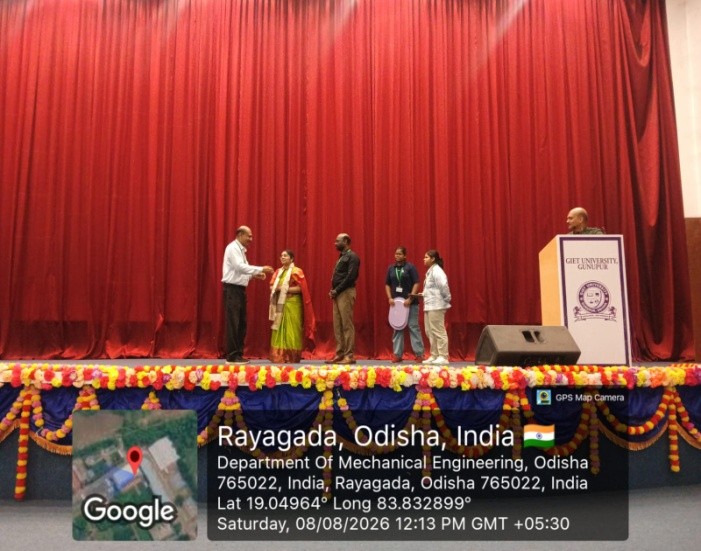
The Indian Knowledge System (IKS) Cell of GIET University, Gunupur, successfully organized an insightful expert session on “Decoding Sanskrit Scriptures to Make Vedic Vimanas a Reality” on 08 August 2026. The session aimed to explore the rich knowledge embedded in ancient Sanskrit scriptures and examine their references to concepts related to Vedic Vimanas from an interdisciplinary perspective. The expert session brought together ideas from Sanskrit literature, Indian knowledge traditions, science, engineering, and emerging technologies, encouraging participants to critically examine ancient textual descriptions and their possible relevance to contemporary scientific thinking. The session highlighted the importance of interpreting historical texts with appropriate linguistic, cultural, scientific, and technological perspectives.
The programme provided students, faculty members, and researchers with an opportunity to engage in meaningful discussions on India’s scientific heritage and its potential contribution to modern innovation. The session also encouraged curiosity, interdisciplinary research, and renewed interest in the preservation and contemporary exploration of India’s traditional knowledge systems.
Expert: Mrs. KAVYA VADDADI, Aeronautical Engineer | Researcher | Author | Educator, Specialist in Reverse Engineering Vedic Vimanas using CAD | CFD | Thermal and Structural Analysis | 3D Modelin
Date: 8th August 2026
Time: 10:00 AM onwards
Venue: Mega Audi, GIET University, Gunupur-765022
Kavya Vaddadi is an Indian aeronautical engineer, aerospace researcher, author, and educator whose work focuses on the intersection of ancient Indian scientific literature and modern aerospace engineering. She specializes in the reverse engineering of ancient Vedic vimanas by applying contemporary engineering tools such as Computer-Aided Design (CAD), Computational Fluid Dynamics (CFD), structural analysis, thermal analysis, and 3D modeling to descriptions found in Sanskrit texts. She earned her Bachelor of Technology in Aeronautical Engineering from Hyderabad. Alongside her research in ancient aeronautics, as a Design Engineer, CFD Analyst, and Structural Analyst at VEDAS (Vaddadi Engineering Design and Analysis Services), contributing to modern engineering and aerospace projects. Kavya also serves as the Head of Education & Awareness for the Ancient Technology Division of MAARKS Aerospace and Marine Services Pvt. Ltd. She is also associated with the Vedic Research Institute (London) as a Scientific Advisor and contributes to the Vedic Scientific Research Foundation through research and educational initiatives. Her mission is to bridge ancient Indian knowledge systems with modern scientific investigation while encouraging interdisciplinary research.
Her most recognized research centers on the Marutsakha Vimana, an aircraft described in Vedic literature. Beginning with Sanskrit retranslation and technical interpretation of ancient verses, she reconstructed the vehicle through engineering drawings, CAD models, CFD simulations, structural and thermal analyses, and physical prototypes. A 3D-printed model based on her reconstruction underwent wind tunnel testing at the University of California, Irvine, where aerodynamic characteristics were evaluated, bringing experimental engineering methods into the study of ancient texts. Kavya has authored and co-authored several books, including “Vimanas and the Wars of the Gods” and “Reverse Engineering Vedic Vimanas.” Her book Reverse Engineering Vedic Vimanas has been included in the Indian Knowledge Systems (IKS) Book Repository under the AICTE, Ministry of Education, Government of India, highlighting its relevance within the broader Indian Knowledge Systems initiative.
Her research has expanded into topics including ancient aerospace engineering, propulsion concepts, artificial intelligence, unmanned systems, advanced materials, and the interpretation of Vedic technologies through modern engineering principles. She has published papers exploring subjects such as Pushpaka Vimana, artificial intelligence in ancient aerospace concepts, and reverse engineering methodologies. Kavya’s work has reached an international audience through television, conferences, journals, and invited lectures. She appeared on the History Channel’s “Ancient Aliens” (Episode: Voices of the Gods), where her reconstruction of the Marutsakha Vimana was featured. She has also presented her research at the Alternative Propulsion Engineering Conference (APEC) alongside international researchers working in frontier aerospace concepts. Her work has been covered by prominent Indian newspapers including The Hindu and The Hans India, which highlighted her efforts to interpret ancient Sanskrit texts using modern engineering techniques and to explore their potential relevance to future aerospace technologies.
Beyond research, Kavya is an active science communicator and educator. She has delivered lectures, workshops, internships, and certificate programs on Vimana Shastra, aerospace engineering, CAD, CFD, and structural analysis for students, researchers, and engineering professionals. Through these initiatives, she encourages the scientific evaluation of ancient knowledge using evidence-based engineering methodologies. Kavya Vaddadi’s long-term vision is to inspire collaborative research between historians, Sanskrit scholars, scientists, and engineers to investigate ancient technological concepts through modern experimental methods. Her work represents an interdisciplinary effort to explore how historical knowledge, engineering analysis, and emerging technologies can contribute to future aerospace innovation while preserving India’s scientific heritage.