Swabalamban: GIET University’s Flagship CSR Programme Empowering Rural Youth through Free Skill Development
Swabalamban, the flagship Corporate Social Responsibility initiative of GIET University, continues to make a meaningful impact in the lives of rural youth by providing completely free-of-cost skill development and livelihood training programmes aimed at promoting self-reliance, employability, and sustainable economic empowerment. Launched in 2007–08, the initiative was envisioned to support unemployed and underprivileged youth from rural communities by equipping them with practical vocational skills and industry-relevant training opportunities.
Under the Swabalamban programme, trainees receive hands-on training in diverse vocational areas including Driving, Plumbing, Masonry, Mushroom Cultivation, Mobile Repairing, Painting, etc. The initiative not only focuses on technical competency but also encourages discipline, confidence, responsibility, and entrepreneurship among participants, enabling them to become financially independent and socially empowered.
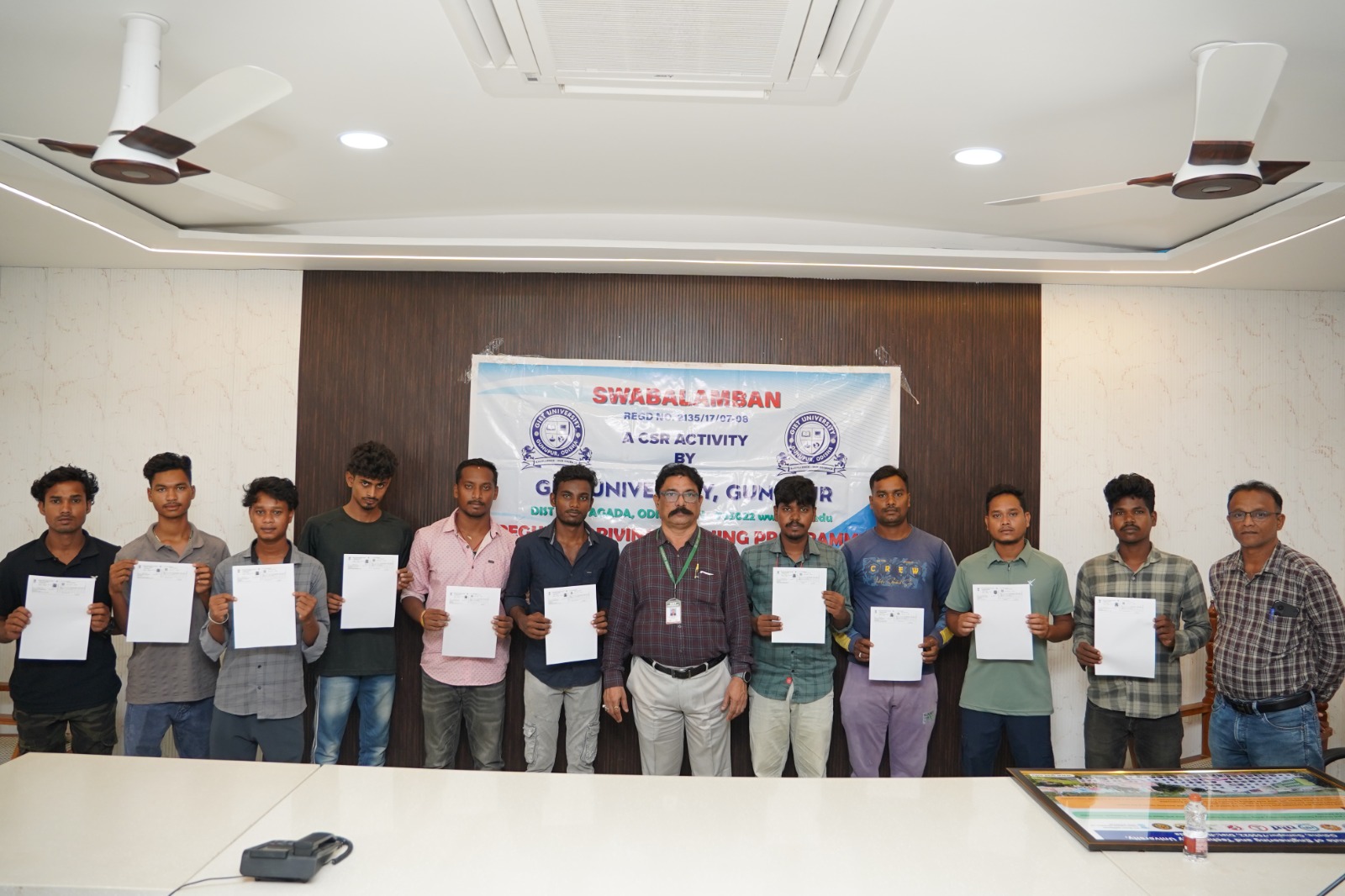
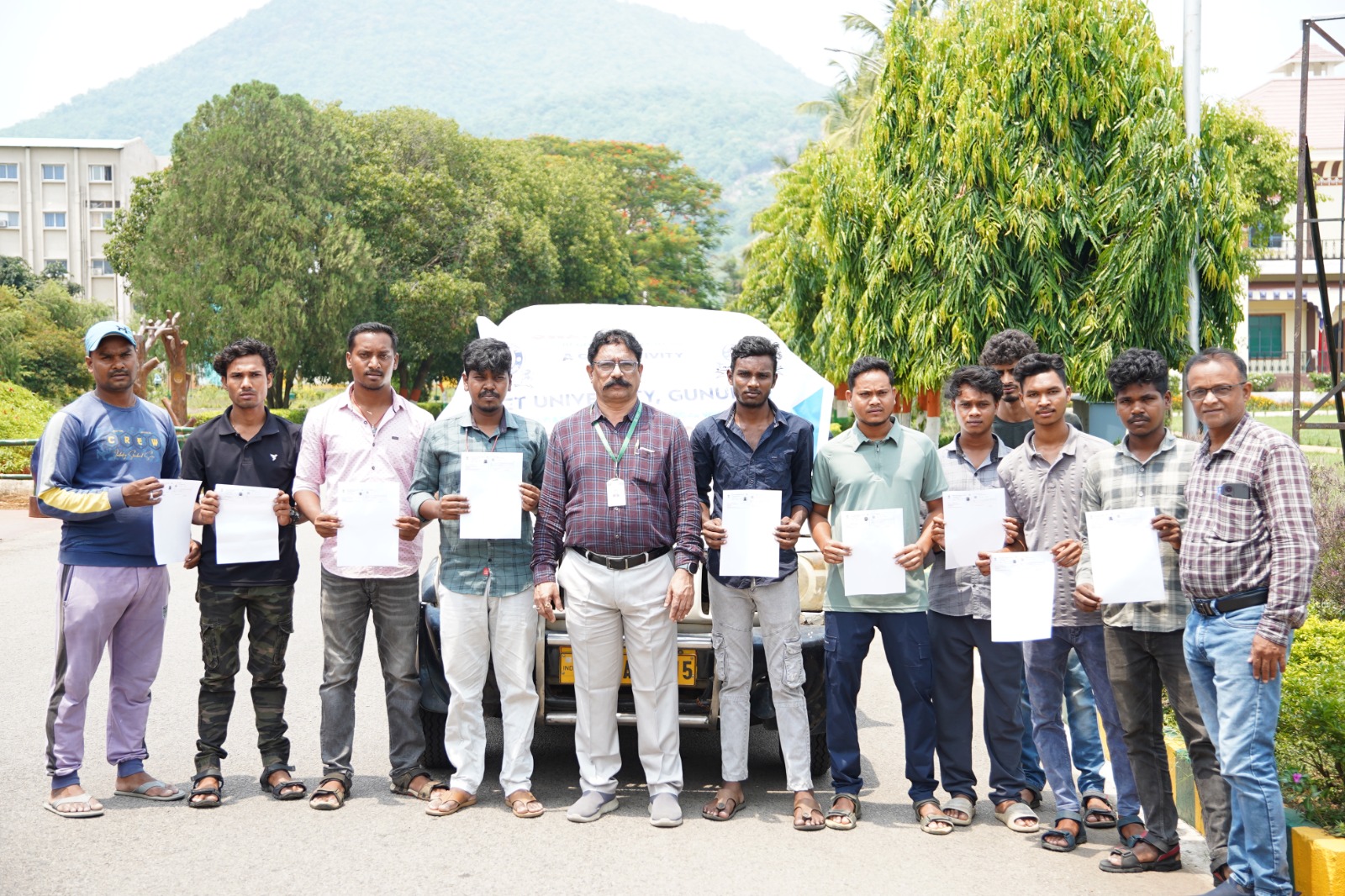
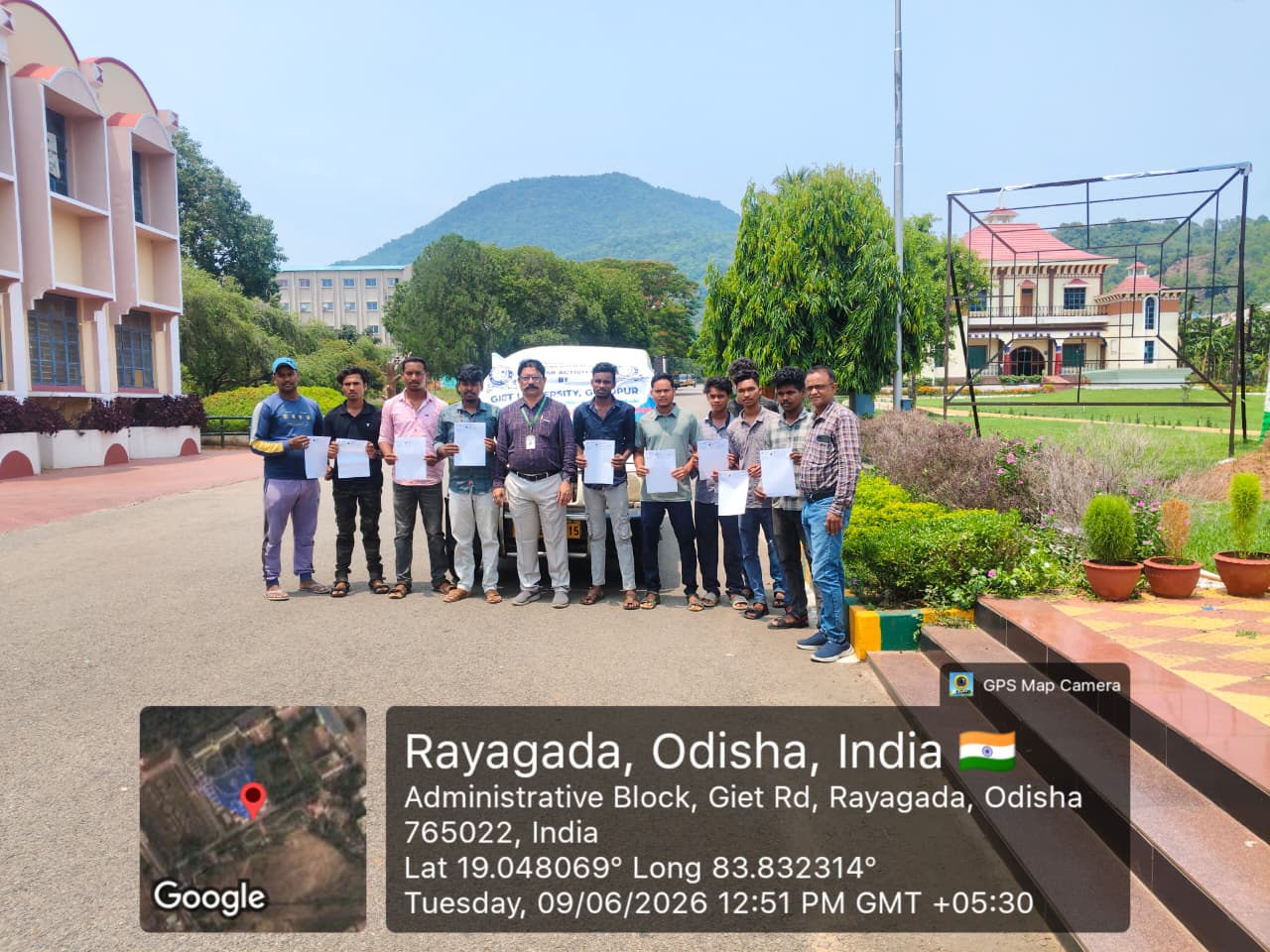
On 9th June 2026, the 58th batch of the Driving Training Programme commenced with the participation of local youth from nearby rural regions. Addressing the trainees during the inaugural session, Dr. N. V. J. Rao, Registrar, GIET University, emphasized the importance of skill-based education and encouraged the participants to become responsible, safety-conscious, and professionally competent individuals capable of contributing positively to society.
Over the years, Swabalamban has evolved into one of the region’s notable community outreach initiatives in the field of rural skill empowerment. Till date, a total of 657 local youth have benefitted from the programme through various vocational training activities conducted under the initiative. Many of the beneficiaries have successfully secured employment opportunities, initiated self-employment ventures, and improved their socio-economic conditions through the skills acquired during the training.
By continuing to offer quality vocational education entirely free of cost, GIET University, through Swabalamban, reaffirms its commitment towards inclusive development, rural upliftment, and community-centered empowerment, thereby contributing significantly to the vision of a skilled and self-reliant society.