GANDHI INSTITUTE OF ENGINEERING AND TECHNOLOGY UNIVERSITY, ODISHA, GUNUPUR

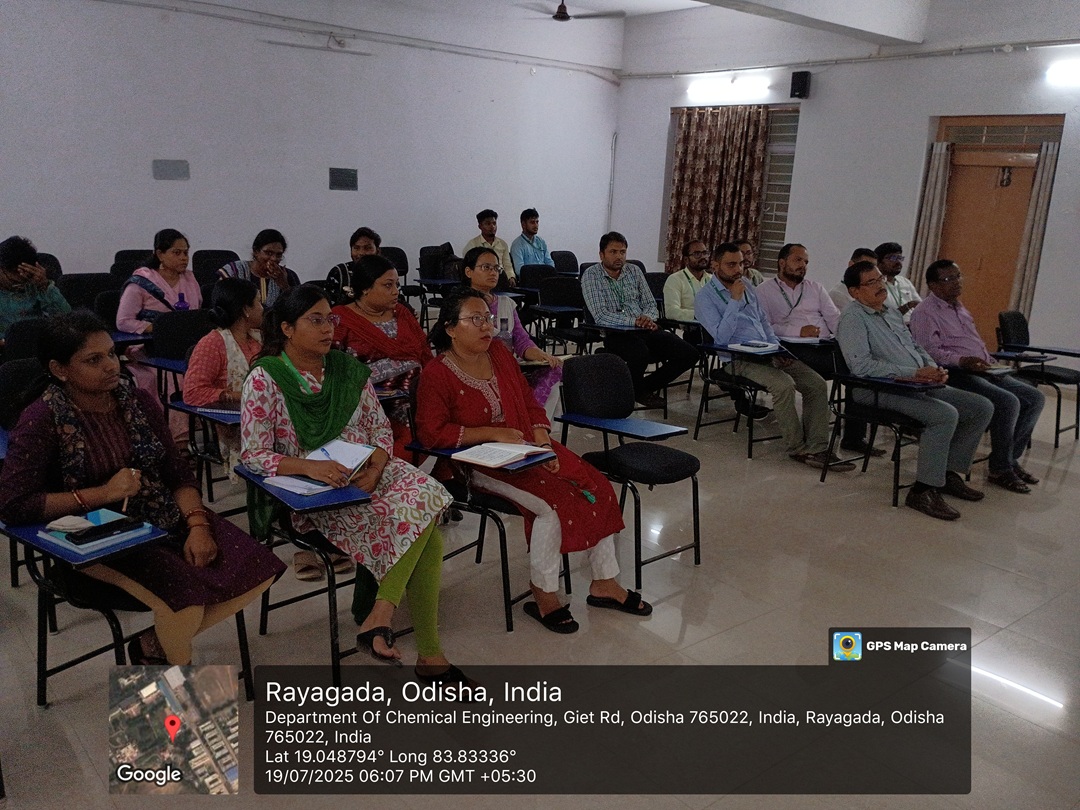
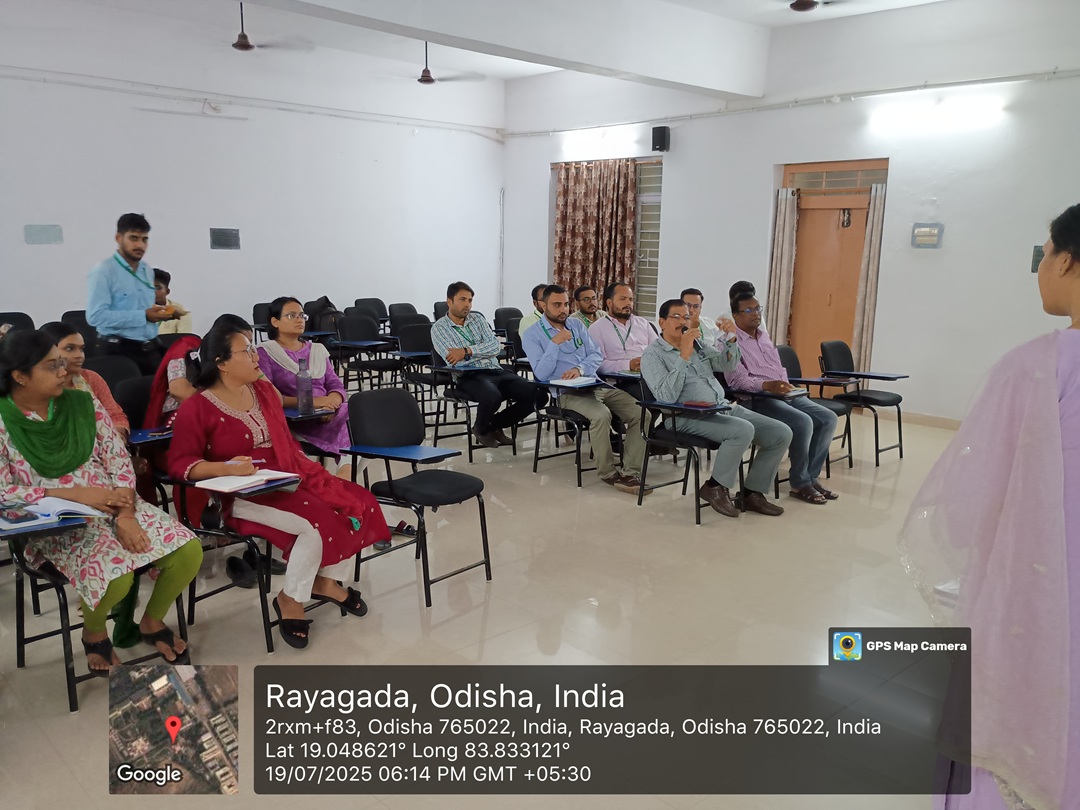
Interdepartmental Seminar, School of Agriculture

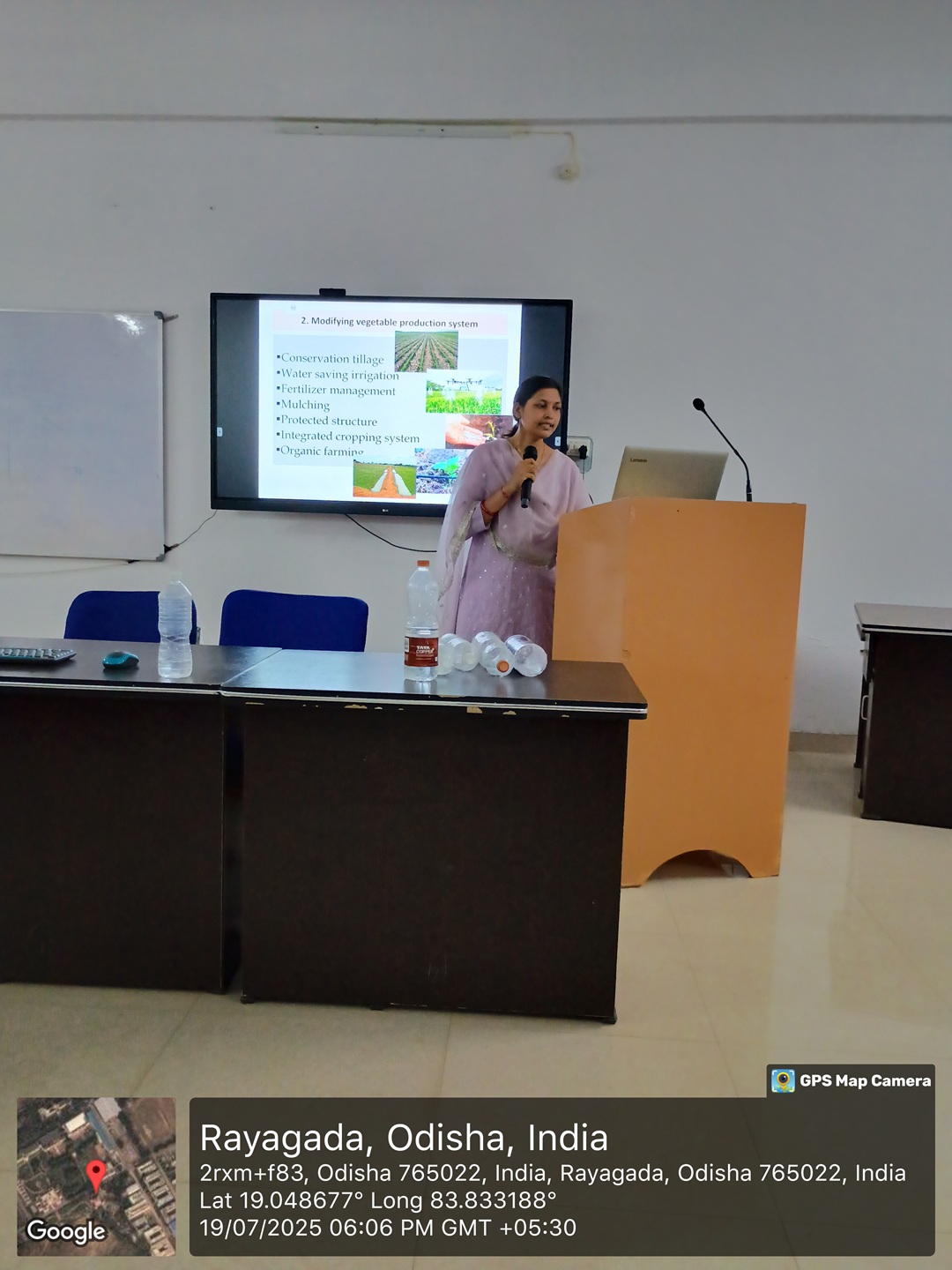
At the beginning of the session, Mr. Kalpataru Nanda, Asst. Prof., Department of Genetics and Plant Breeding addressed the audience and welcomed them to attend the seminar session. Then Mrs. Priyambada Pradhan, Asst. Prof., Department of Horticulture was invited to deliver her seminar presentation on the topic “Impact of Climate Change in Vegetable Production and its Mitigation Strategies”.

The speaker gave a brief introduction on the topic emphasizing the impact of Climate change on agriculture with specific to vegetable production in India. Climate is the most important determinant of crop productivity, particularly in country like India, where about 2/3rd of the cultivated area is rainfed. Climate change, therefore, is of serious concern having large-scale impacts and it is manifested with increase in global temperature, increased intensity of rainfall, rising sea level, melting of glaciers, frequent droughts and floods. India is losing 3-10% of its GDP annually due to climate change and India’s poverty rate may rise by 3.5 % in 2040 due to climate change. Usually extreme temperatures, limited soil moisture, reduced availability of irrigation water, repeated flooding, increased acidity or salinity and soil erosion, high wind speed, increase in occurrence of hails and thunderstorms, frost damage and tsunamis etc., are the major limiting factors for optimum productivity besides the quality and consumer acceptance. Sudden change in climate also influences the status of soil fertility, occurrence of pests and diseases, host-pathogen interactions, soil microbial population and behavior of the pollinators. All these have significant effects on the total vegetable cultivation system on the planet, affecting the economic yield. Various mitigation and adaptation strategies were also highlighted like developing climate-resilient vegetables, grafting, use of breeding and biotechnology, proper crop management practices which can help in maintaining crop production.

The presentation gave a clear understanding on the topic and was highly praised by faculty members and students following a brief question-answer session. At the end, vote of thanks was given by Mr. Kalpataru Nanda and the session was concluded.

Social media & sharing icons powered by UltimatelySocial